Contact us for information regarding our sample policy
Main Export Market(s)
Asia
Main Domestic Market
All India
About Timing Belt
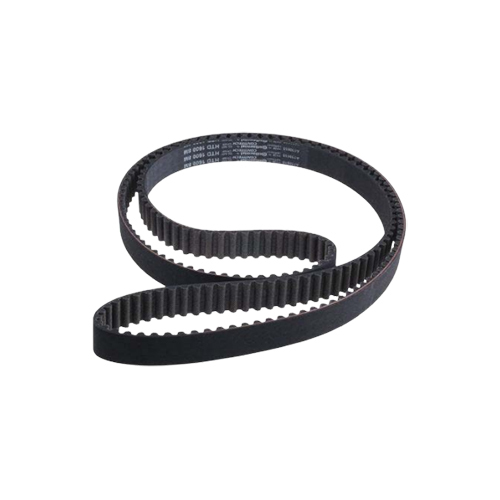
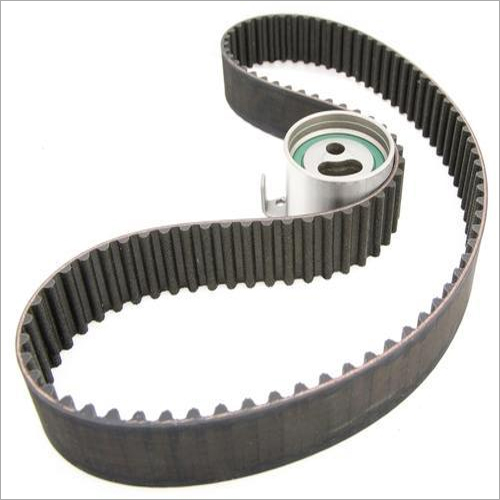
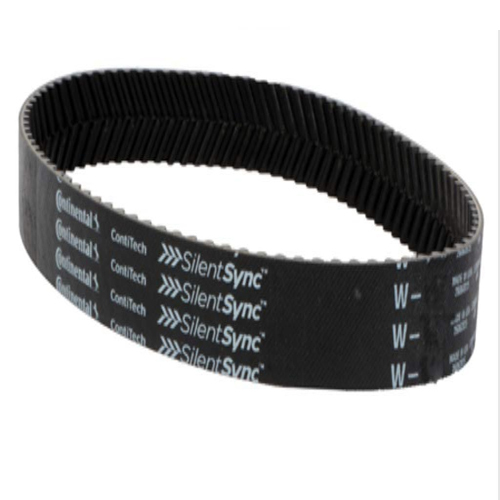
Timing belts are toothed, flexible belts used to synchronize the rotation of mechanical components in various applications, most notably in automotive engines and industrial machinery. They provide precise motion control without slippage and operate quietly.
Key Features & Benefits
Precise Synchronization: The primary function is to maintain a non-slipping, fixed speed ratio between rotating parts (like the crankshaft and camshaft in an engine) by meshing with toothed pulleys.
Materials: Typically made of high-quality rubber (Neoprene or HNBR) or polyurethane, often reinforced with tensile cords like fiberglass, steel, or Kevlar for strength and minimal stretch.
Low Maintenance & Noise: Timing belts do not require lubrication and are generally quieter than metal chains or gears.
Efficiency: They are highly energy efficient, with the U.S. Department of Energy reporting up to 99% energy efficiency for timing belt drives.
Durability: Advanced materials offer resistance to wear, high temperatures, oil, and chemicals, extending their operational life in demanding environments.
Common Applications
Automotive Engines: The most well-known application, where they ensure the engine's valves open and close at the precise time in relation to the pistons to prevent engine damage and maintain performance.
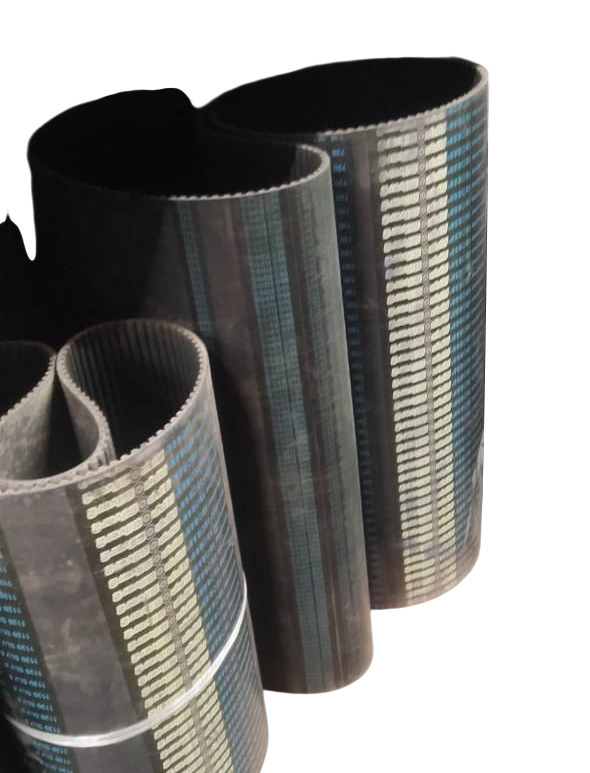
Industrial Equipment: Used extensively in manufacturing plants, conveyor systems, robotics, and packaging machines for power transmission and accurate positioning of components.
Other Devices: Found in a wide array of mechanical devices, from 3D printers and sewing machines to agricultural machinery and treadmills.
Reliable Performance for Industrial Applications
These rubber timing belts are engineered to meet the rigorous demands of industrial use. With excellent resistance to wear and stretching, they contribute to smoother and more efficient machine operations. Their universality in size and compatibility with a range of machines make them a practical choice for factories and workshops nationwide.
Expert Manufacturing and Supply Across India
Operating as a manufacturer, supplier, and trader, we ensure a seamless supply chain and prompt delivery across India. Our teams are knowledgeable about the industrial sector's unique requirements, providing tailored solutions and aftersales guidance to help businesses run smoothly.
FAQ's of Timing Belt:
Q: How is the timing belt installed in industrial machinery?
A: The timing belt should be installed according to the manufacturer's specifications for your specific machinery. Typically, it involves loosening the tensioner, aligning the belt to the pulleys, checking for proper teeth engagement, and reapplying the correct tension. Installation should be performed by trained personnel to ensure safety and optimal performance.
Q: What are the main advantages of using a rubber timing belt in industrial applications?
A: Rubber timing belts provide excellent flexibility, reduced operational noise, good wear resistance, and consistent power transmission, making them suitable for various industrial environments. Their versatility and cost-effectiveness also contribute to lowered maintenance and downtime.
Q: When should I replace the timing belt in my industrial equipment?
A: It's recommended to conduct regular inspections and replace the timing belt if you notice significant wear, cracking, or elongation. Replacement intervals can vary based on application, operating conditions, and load but checking every 12-18 months is generally advisable for industrial usage.
Q: Where are your timing belts distributed within India?
A: We manufacture, supply, and trade timing belts across all major industrial regions of India, ensuring timely delivery and local support for our customers in multiple cities and states.
Q: What is the process for ordering timing belts in bulk?
A: To place a bulk order, you can contact our sales team through our website, email, or telephone. We will assist you with product selection, sizing, and delivery timelines to match your precise industrial requirements.
Q: How should the rubber timing belt be maintained for longer lifespan?
A: Keep the belt clean from oil, dust, and debris, regularly inspect for signs of wear or improper tension, and ensure pulleys and tensioners remain in good condition. Proper maintenance enhances the belt's functionality and operational reliability.
Q: What are the typical usage scenarios for your timing belts?
A: Our rubber timing belts are primarily used in industrial machinery, such as conveyors, packaging equipment, and machine tools. They are designed to suit a wide range of automated systems requiring precise movement and high durability.
Tell us about your requirement
Price:
Quantity
Select Unit
50
100
200
250
500
1000+
Additional detail
Mobile number
Email
Name
Comapny Name
Phone Number
Email Id
City / State
Confirm Your Requirement
Verification Code
Did not receive yet?
Resend OTP
You’re Done!
We have received your requirements and will reply shortly with the best price.





 Send Inquiry

 Send Inquiry
 Send Inquiry
 Send SMS